Safe Lifting: Why Every Lift Requires a Lift Plan
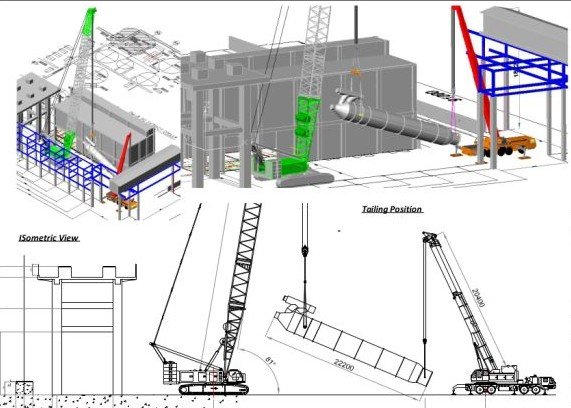
A lift plan is essential because international legislation and recognised industry standards require lifting operations to be properly planned, assessed and controlled. Worldwide, organisations must be able to demonstrate that lifting activities are executed in a safe and structured manner — and the lift plan is the practical proof that these requirements are met.
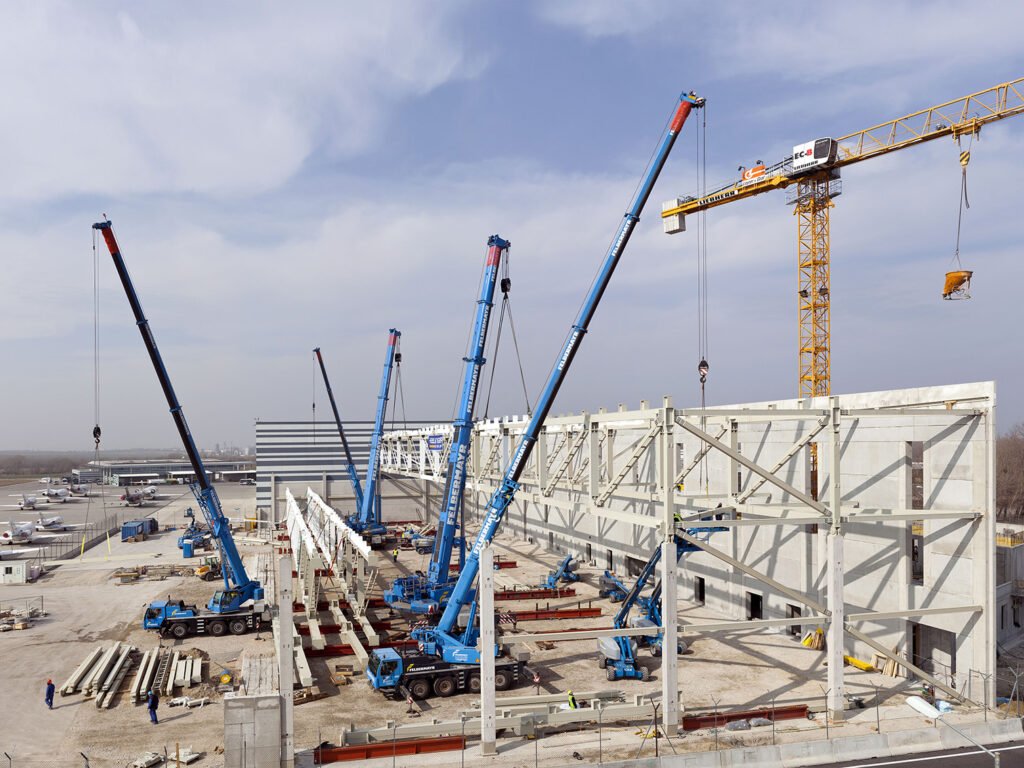
For the heavy lifting and hoisting sector, lift planning is not optional or limited to complex lifts. Every lifting operation requires a lift plan, with the level of detail adapted to the task. The preparation and ownership of this lift plan rest with the Appointed Person, who holds overall responsibility for planning and managing lifting operations.
This is why Cranes for You includes this topic in the Knowledge Centre: to provide clear guidance on why lift planning is mandatory, how it should be applied in practice, and how responsibilities are correctly assigned.
Key Benefits of a Proper Lift Plan
A proper lift plan offers clear, measurable value for every lifting operation. It reduces uncertainty, improves coordination and ensures that all technical and organisational aspects are verified before work begins. The most important benefits include:
- Significantly lower incident and human-error risk
A lift plan removes assumptions about load mass, rigging angles, communication, radius or ground capacity. - Correct equipment selection and safe WLL application
Ensuring the chosen crane and rigging match the load, geometry and required safety factors. - Predictable, controlled and well-coordinated lift execution
All steps are predefined, documented and aligned across everyone involved. - Better consideration of ground and environmental conditions
Ground bearing pressure, wind limits, obstacles and exclusion zones are assessed before the lift begins. - Consistent quality and repeatability across all lifts
Each lift follows the same structured preparation, increasing reliability and efficiency.
A well-prepared lift plan forces clarity, strengthens communication and ensures that everyone works from the same shared understanding — directly improving both safety and performance.
Supports the Appointed Person’s Role
The Appointed Person is responsible for ensuring that lifting operations can be carried out safely.
A well-prepared lift plan provides the structure, documentation and oversight needed to fulfil this responsibility effectively.
Download the Full Lift Plan Guideline
For detailed guidance, definitions, legal context and practical examples, download the full document Everything You Need to Know About a Lift Plan directly from this page.
Related Knowledge Articles
- Lifting Plan and Lift Supervision – importance and benefits
- Guidebook for Lifting Supervisors
- Hoisting and Rigging Safety Manual
- IOGP – Lifting & Hoisting Safety Recommended Practice
Ready to Improve Safety and Efficiency?
A clear lift plan strengthens safety, reduces risk and improves operational consistency across your lifting activities.
If you need support preparing, reviewing or standardising lift plans, our team is ready to assist — get in touch today.