Oil & Gas UK – Best Practice in Safe Cargo Handling
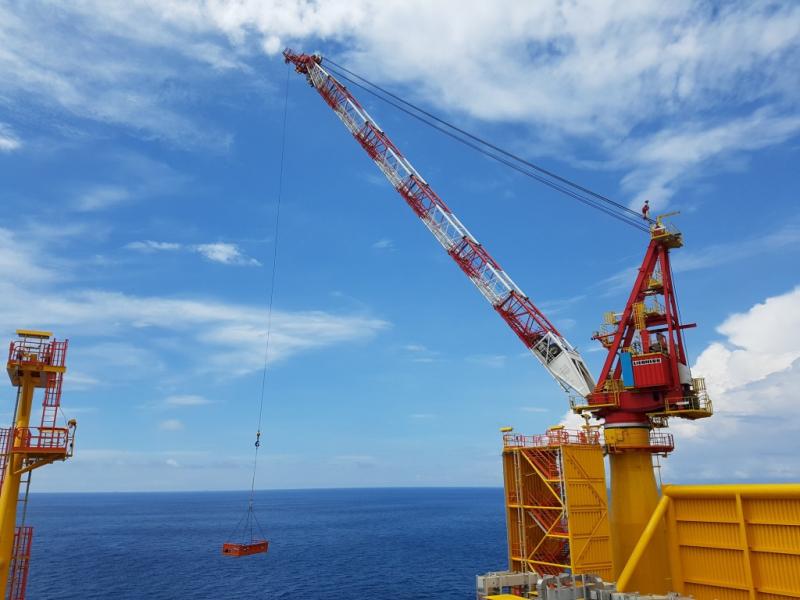
The Oil & Gas UK Best Practice for Safe Cargo Handling provides industry guidance for safely preparing, lifting, transporting and receiving cargo between offshore installations, vessels and onshore bases. Because cargo handling is one of the most frequent – and high-risk – offshore operations, consistent procedures are essential to prevent dropped objects, structural failure, equipment damage and injuries.
Cranes for You includes this guidance in the Knowledge Centre because it supports safer lifting operations, improves coordination between offshore and onshore teams, and sets a benchmark for compliant cargo-handling processes across the offshore energy sector.
Summary of the Guidance
Key principles of the Oil & Gas UK best practice include:
- Standardised cargo preparation: All cargo must be correctly packaged, secured and labelled. Lift points and frames must be certified and suitable for offshore transfer.
- Use of approved cargo-carrying units (CCUs): CCUs must meet offshore design and certification requirements, including impact protection, padeye certification and structural integrity.
- Safe lifting procedures: Slinging must be performed by competent personnel. Correct rigging gear and slings must be used, attached to approved lifting points only.
- Clear communication between vessel and installation: Safe transfer depends on effective coordination, including weather assessment, crane availability, vessel stability and deck conditions.
- Dropped-object prevention: Loads must be inspected to ensure no loose items or unsecured equipment can fall during lifting or vessel motion.
- Inspection and maintenance requirements: CCUs, lifting sets, frames and padeyes must undergo routine inspection, maintenance and recertification.
- Environmental and operational limits: The guidance stresses operational limits relating to sea state, wind conditions, visibility, vessel heave/roll and simultaneous operations.
- Responsibilities: Roles for senders, receivers, crane operators, riggers, vessel crew and logistics personnel are clearly defined to ensure safe workflow and accountability.
Practical Relevance in Offshore Operations
Applying this best practice provides major operational benefits, including:
- Reduced incident risk during loading/unloading between vessels and offshore installations
- Consistent packaging and preparation of cargo at onshore bases, improving offshore efficiency and safety
- Proper equipment selection and certification, preventing failure of CCUs, slings or lift points
- Better coordination between offshore crane teams and vessel crew, minimising miscommunication and unsafe manoeuvres
- Improved logistical planning, reducing congestion, downtime and hazardous lifting conditions
- Higher compliance with international offshore lifting standards, supporting audits and regulatory inspections
This guidance is widely used across the offshore oil, gas and renewables sectors for safe deck operations, supply-chain logistics and crane transfers.
Official Source
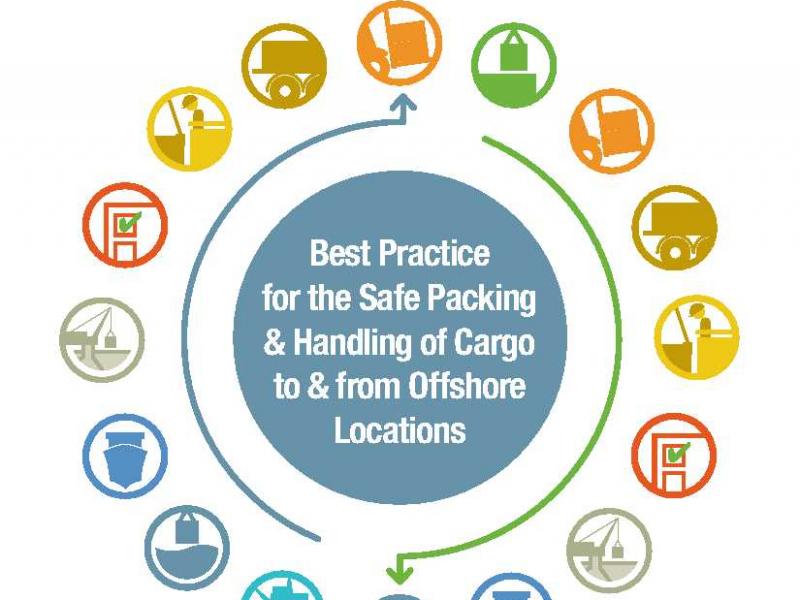
This guidance is based on Oil & Gas UK – Best Practice for the Safe Packing and Handling of Cargo to and from Offshore Locations.
The document is published by Offshore Energies UK (OEUK), formerly known as Oil & Gas UK.
Related Knowledge Articles
- European Best Practice – Cargo Securing Road Transport
- IOGP – Lifting & Hoisting Safety Recommended Practice
- Noble Denton – Guidelines for Load-Outs
- Marine Transfer of Personnel – Step Change in Safety
Ready to Improve Safety and Efficiency?
Consistent cargo-handling procedures save time, reduce risk and strengthen compliance in offshore operations.
Download the OEUK cargo-handling guidance from this page and integrate its principles into your offshore logistics and lifting procedures.